The House That Left the Village
Northern Vietnam travels. 2012.
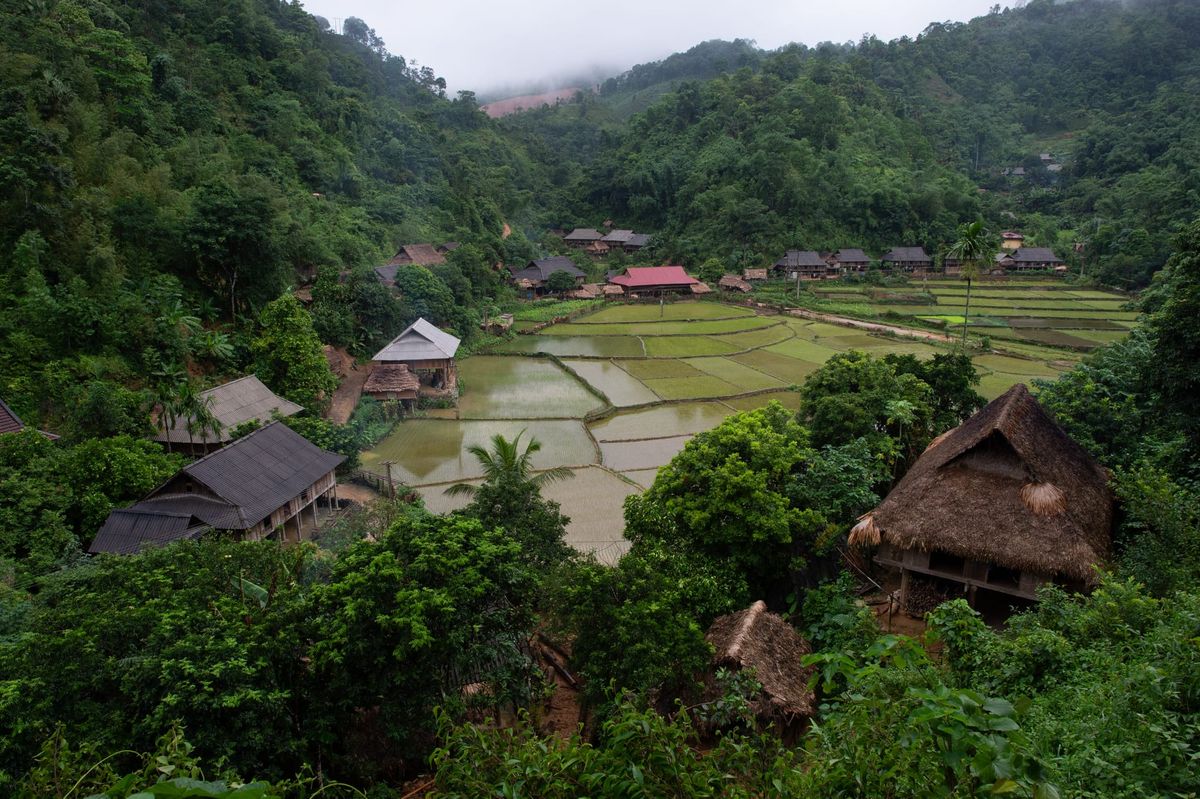
In 2012 I travelled through the mountains of north-west Vietnam, around five hours drive and days on foot, eventually stopping in a small village where construction noise reverberated through the quiet hillside valley. As I neared, the shouted collaboration and creaking ropes set the scene.
At first I assumed a new house was being built, why wouldn't you?
Alas, I discovered something quite different.
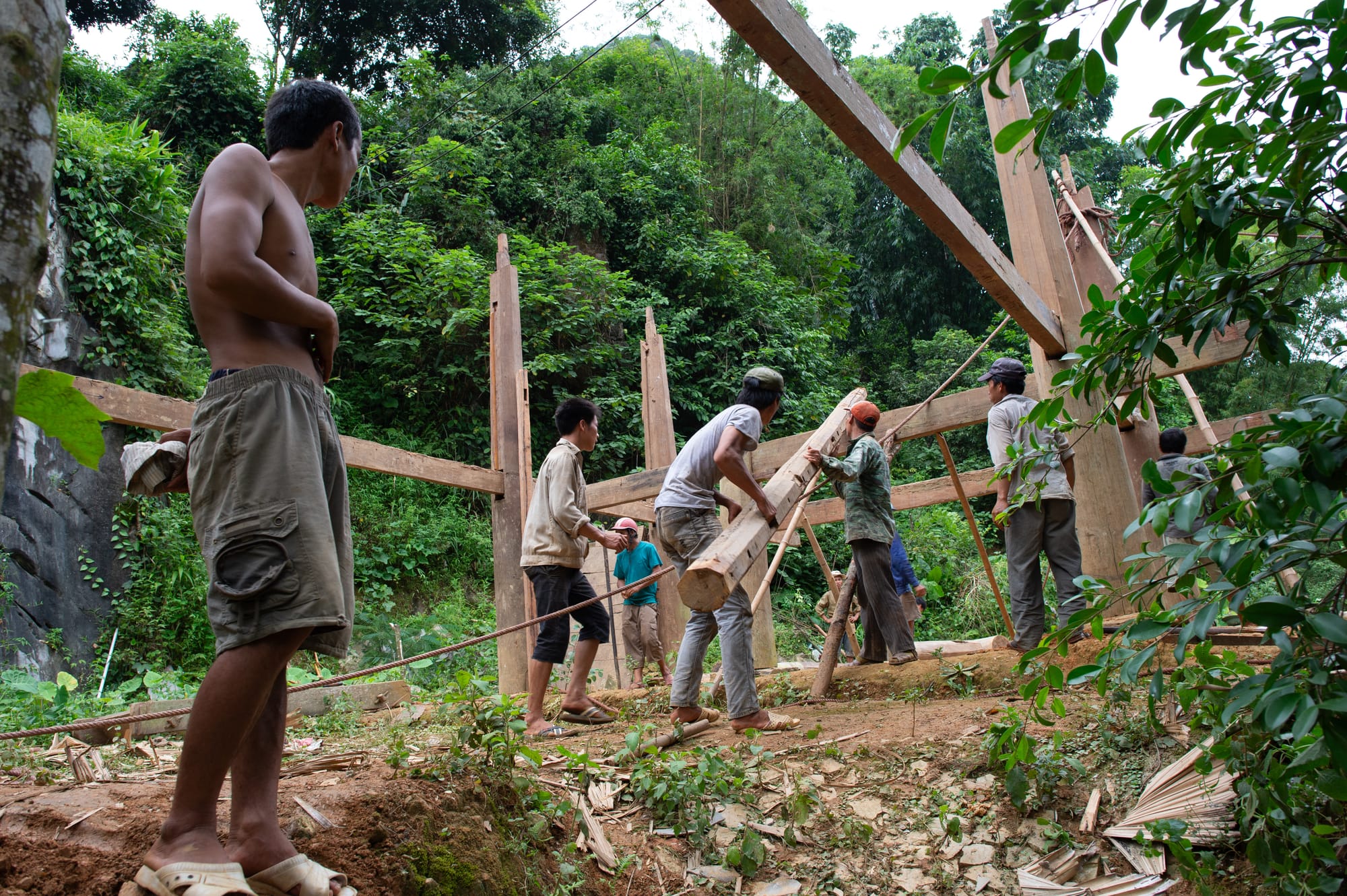
A traditional wooden stilt house, standing in the village for perhaps many generations, had been sold to a wealthy buyer in Hanoi. Every hardwood beam, each supporting strut, each wooden sprag, every floorboard and the natural mahogany-red carved doors were being dismantled - by hand.
Soon to begin a long journey to the capital city, first down the hillside and then via local roads to the new location where re-construction and re-built would commence.
A House Built to Last
Grooves and rebates in the sturdy hardwood pillars and beams held the smaller struts and connecting structure. No metal nails, just triangular sprags - wedges of wood - hammered out from the joints.
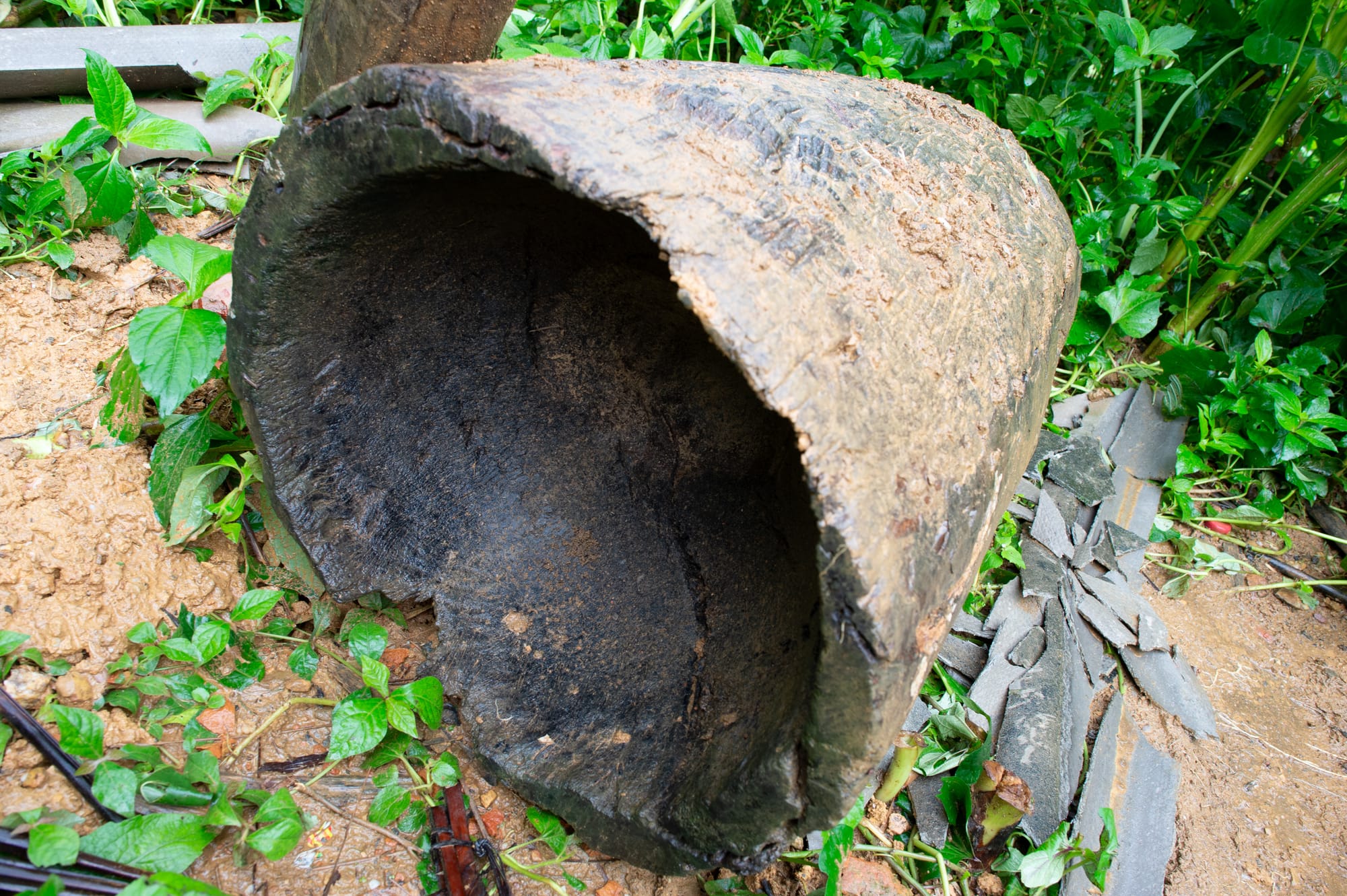
The support posts, the diameter fatter than the local men were hewn, years ago, from the local hardwood rainforest.
The massive beams supporting the second floor of unbelievable density and mass; a huge effort with ropes and pulleys simply to release one to the ground.
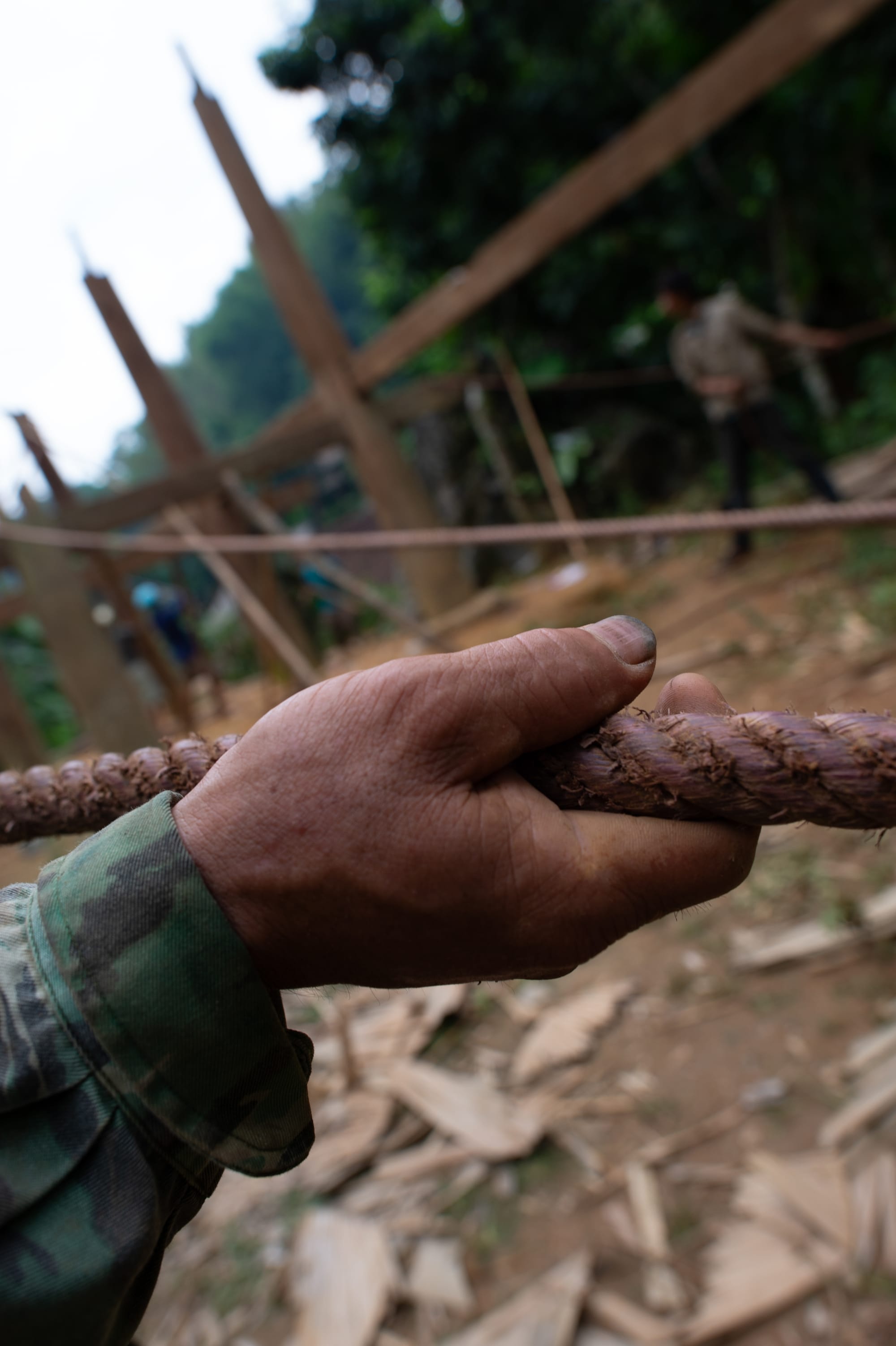
No steel, no iron, no plastic, no concrete. The house constructed on the limestone bed-rock and red-mud base.
Traditional joinery.
Traditional mountain houses such as this were built from hardwood timber that today is increasingly difficult and expensive to obtain now, and in many cases illegal to purchase.
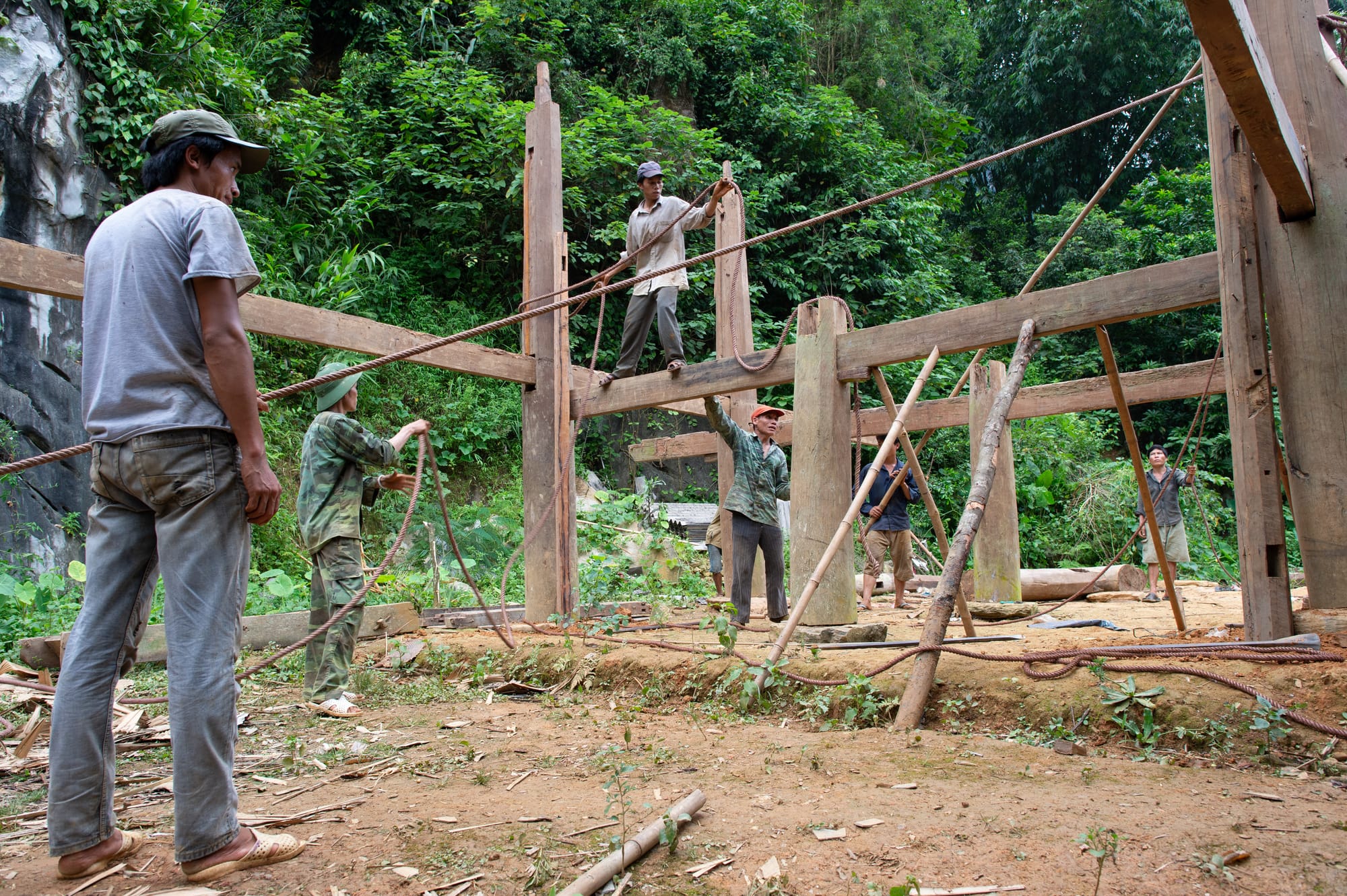
Managing each beam or plank required skill and communication.
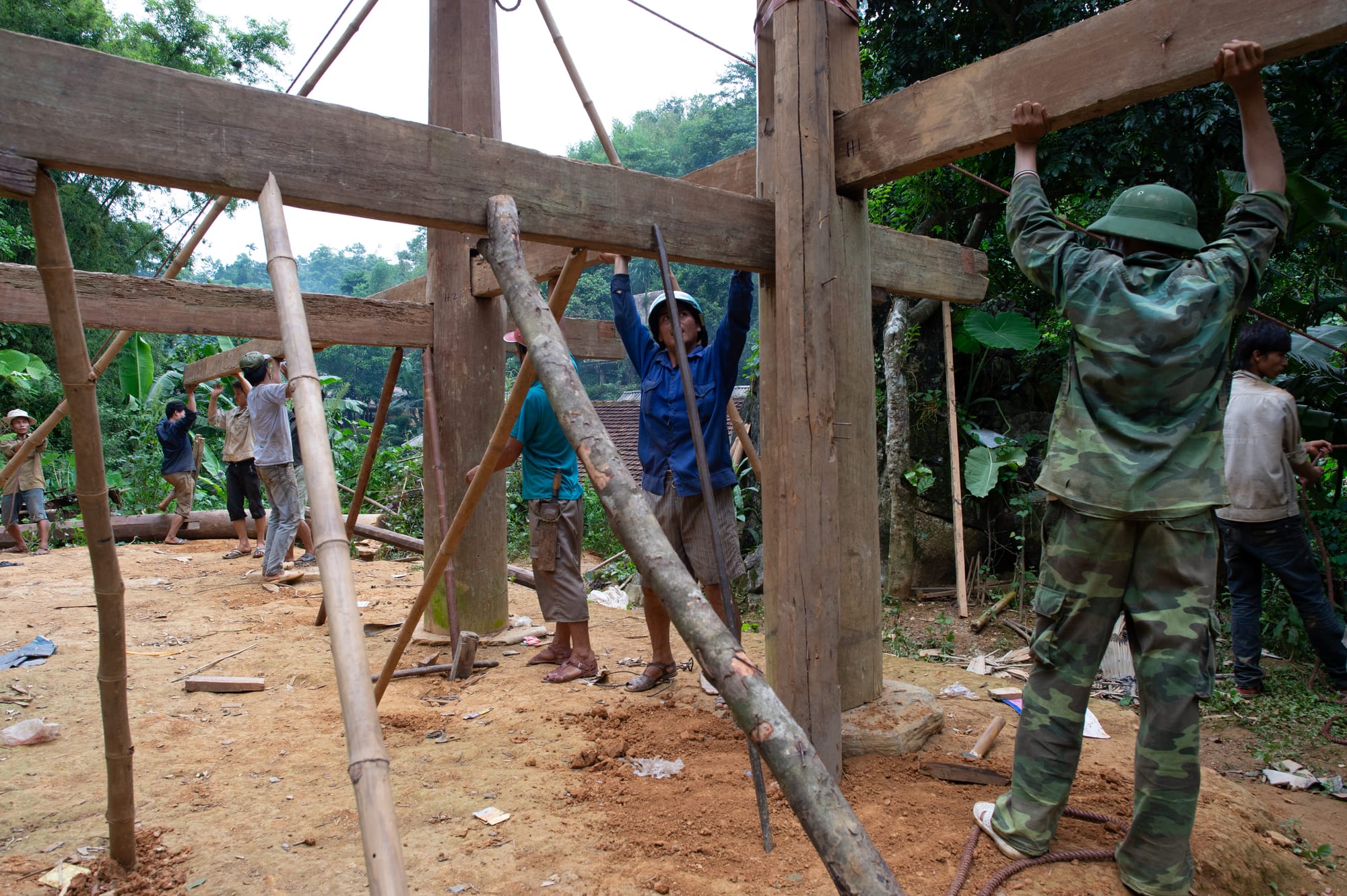
Gargantuan effort often needed to lift each marked and numbered beam.
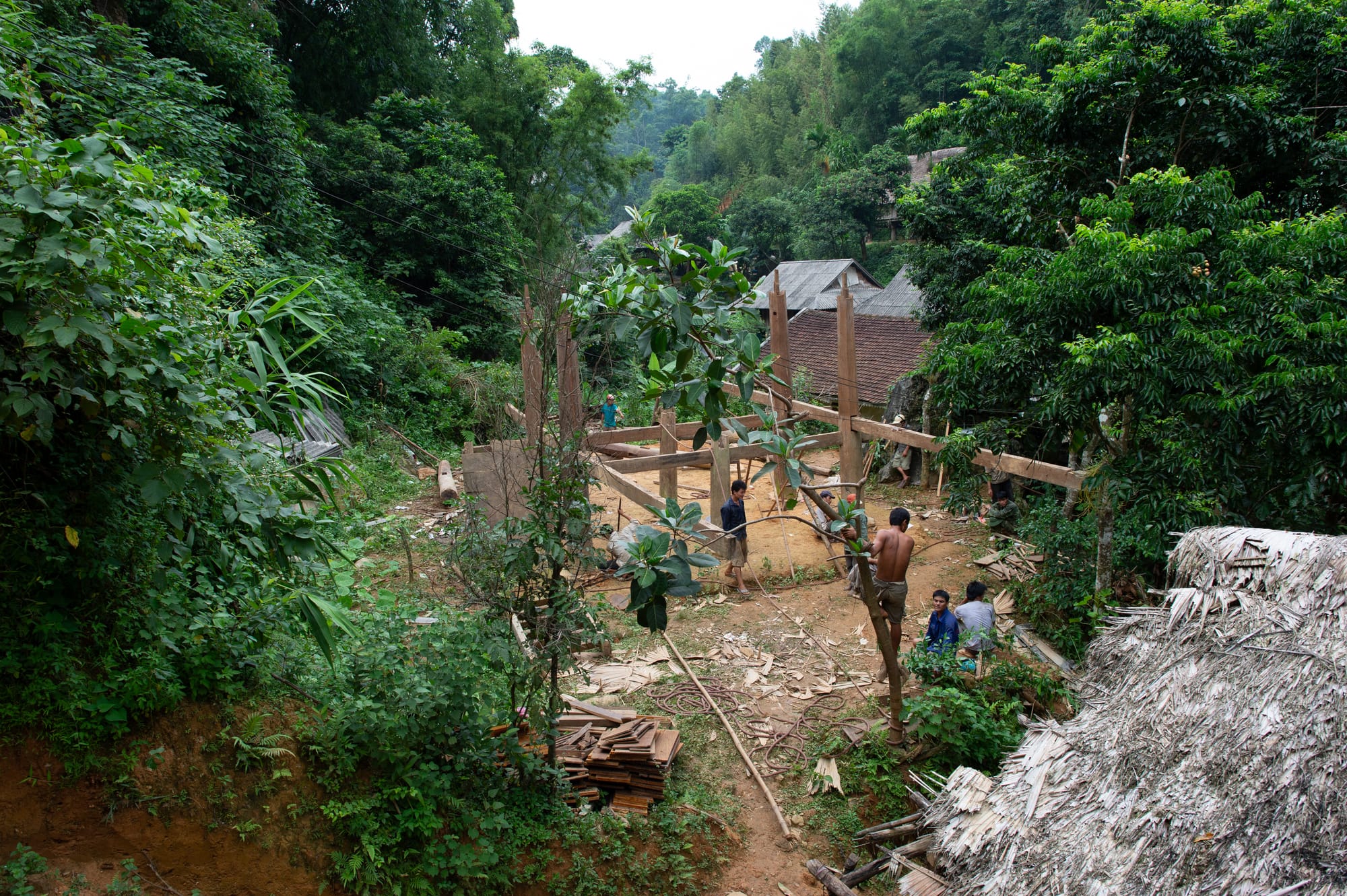
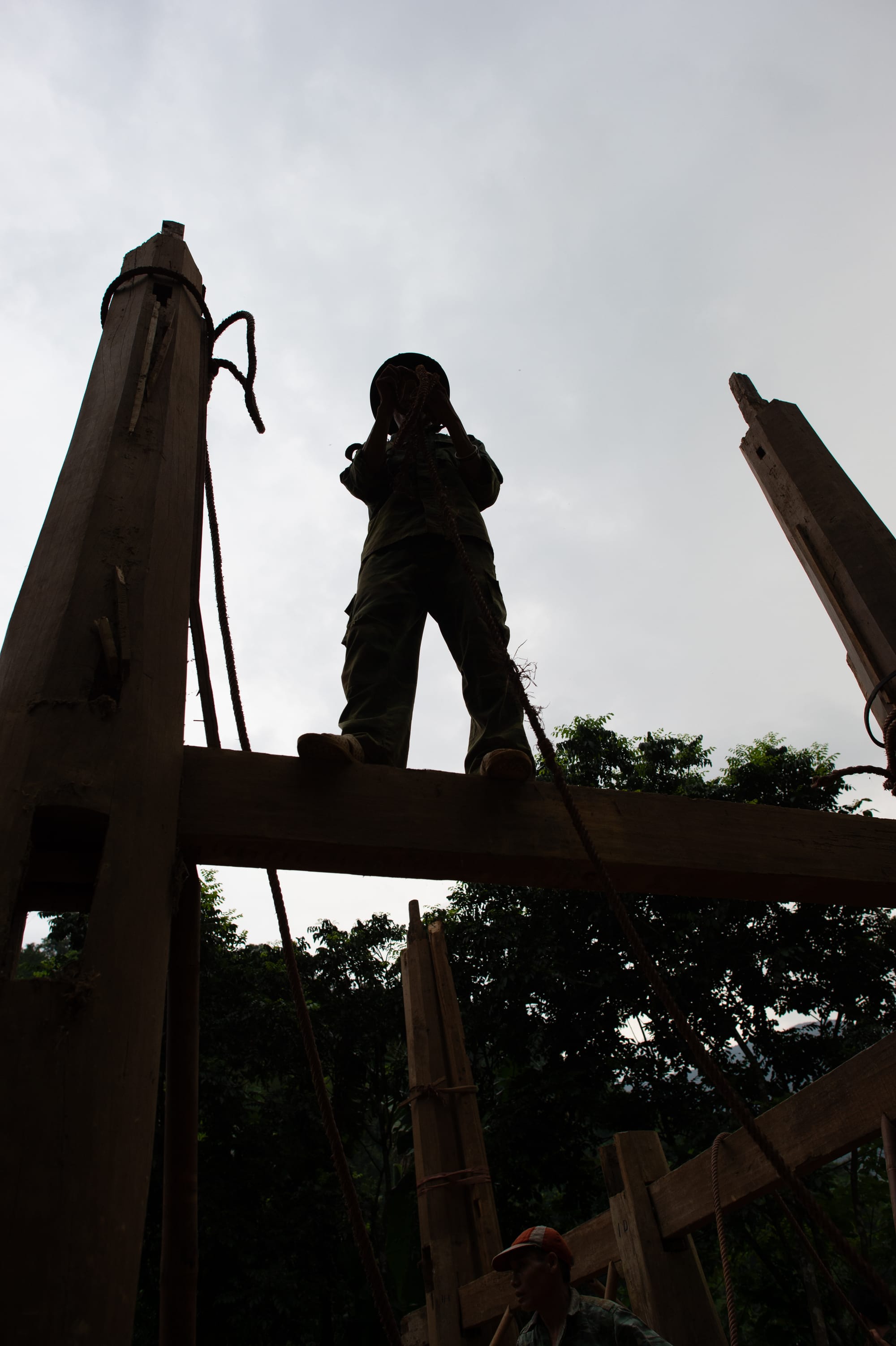
Timber with a Second Life
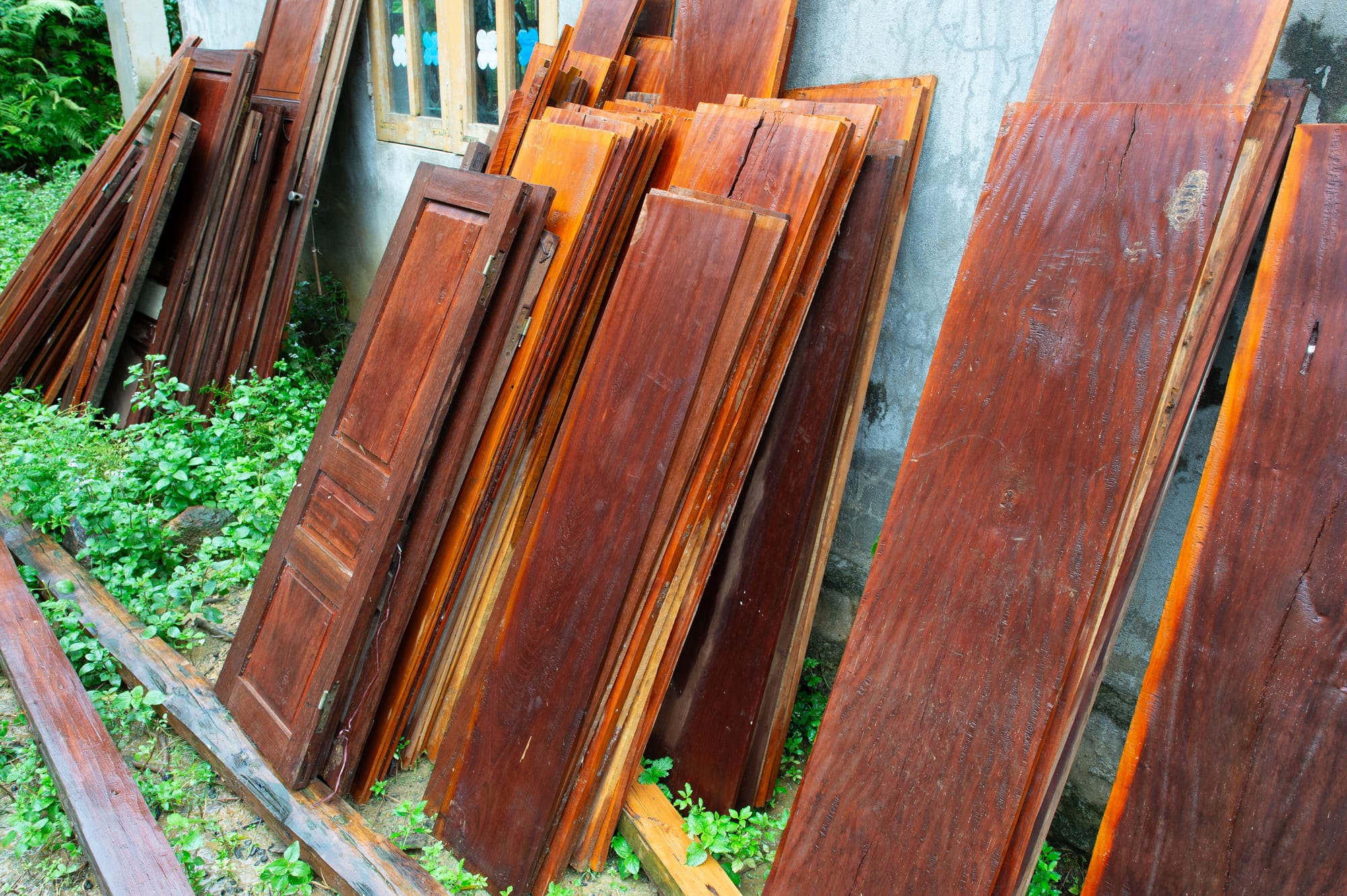
No demolition here, no breaker balls, just skilful dismantling before relocation.
Interestingly the mature rainforest hardwood is now far more valuable than the the land on which the house was built.
A house that once belonged to a village would become a private residence hundreds of kilometres away in the capital city of Vietnam, Hanoi.
What Remained
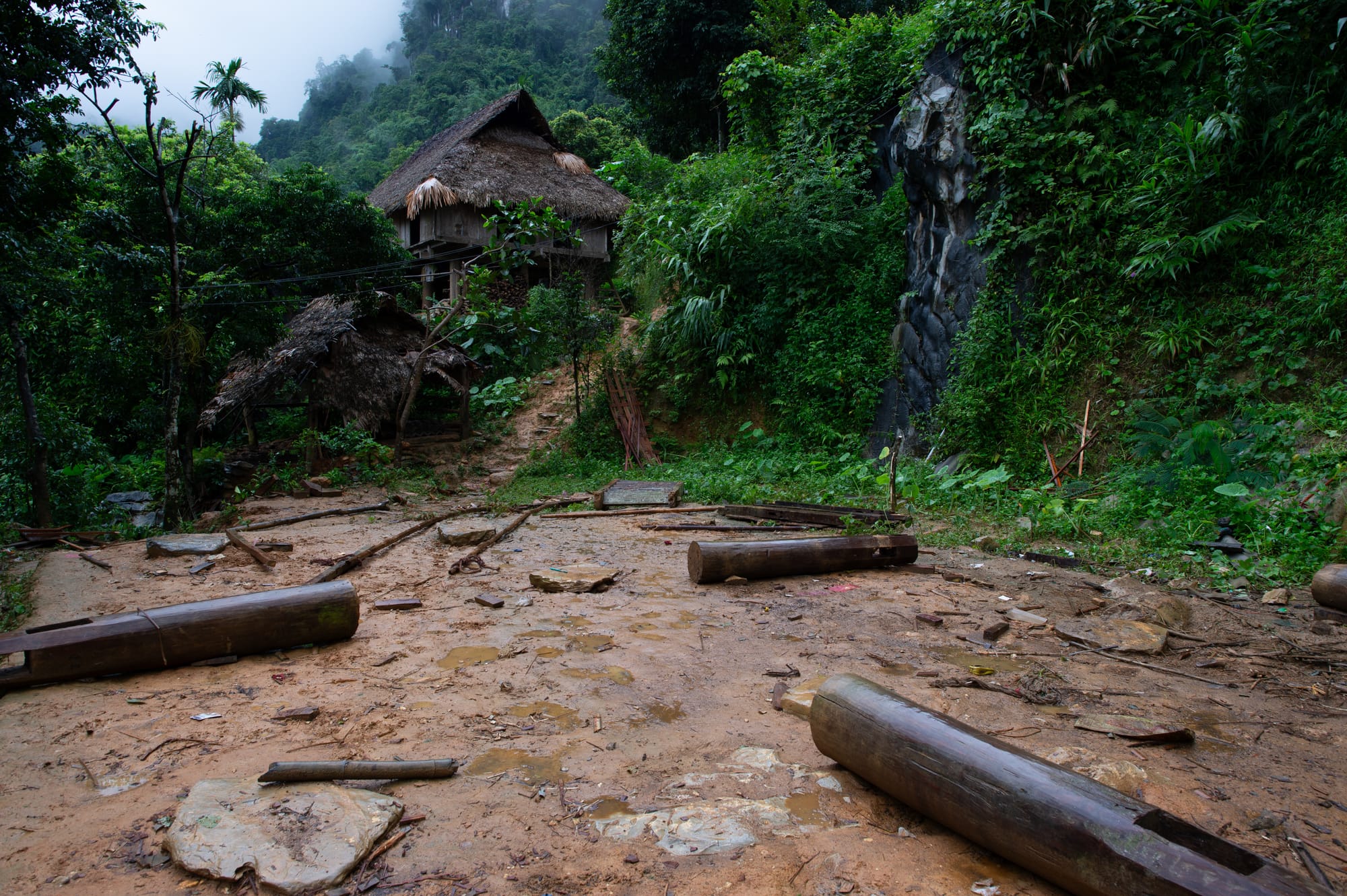
After days of work, little remained except the footprint where generations had once lived.
The village lost a part of its soul, as the house gained another future in a different environment.
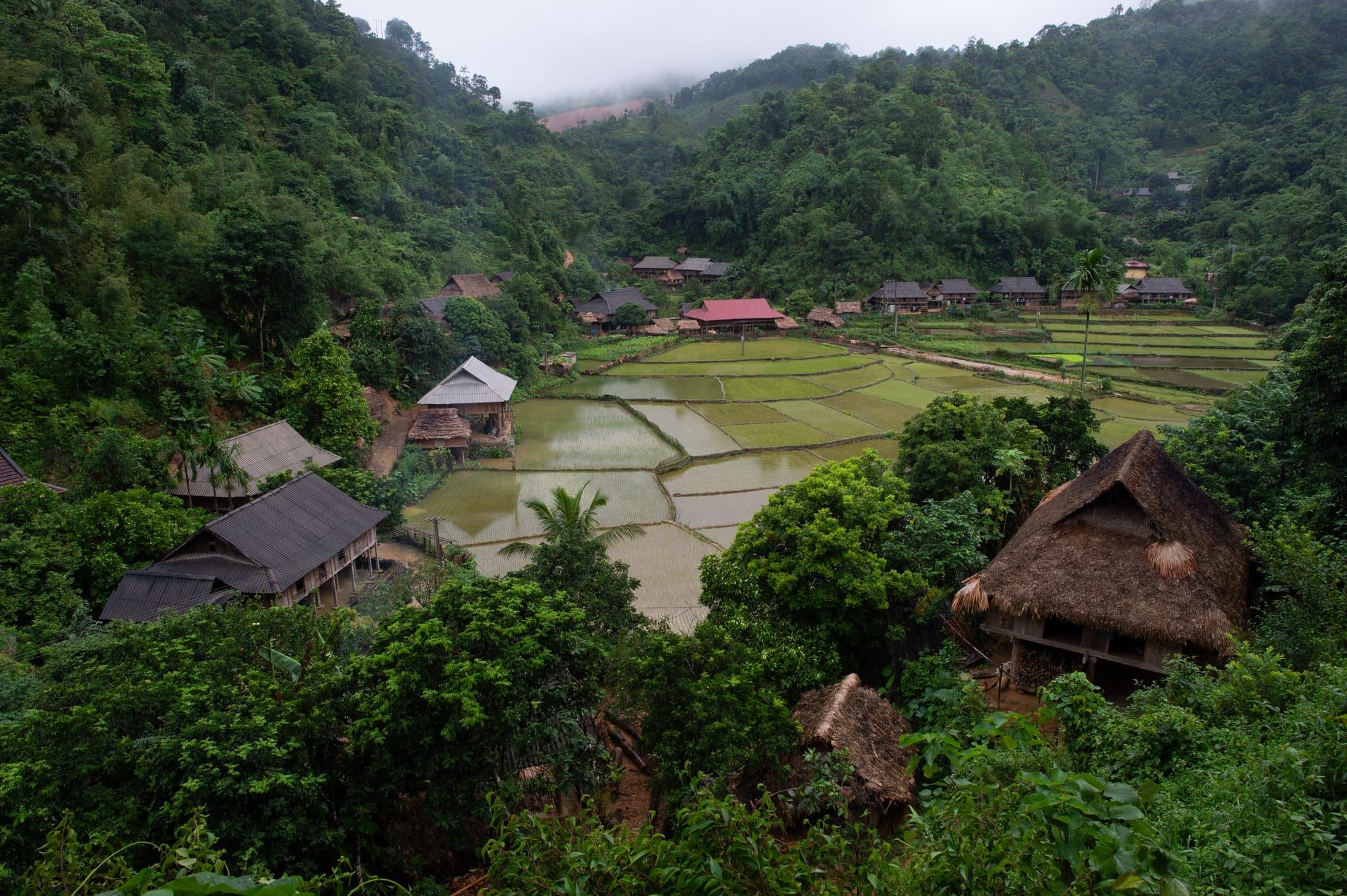
Some buildings disappear because they decay or collapse. This house did neither. It simply left the village.
(c) Stephen Ford – independent.
Photographs and observations from Asia. Documentary work exploring people, places and material culture. The aim is to observe carefully, question honestly and allow evidence to speak for itself.